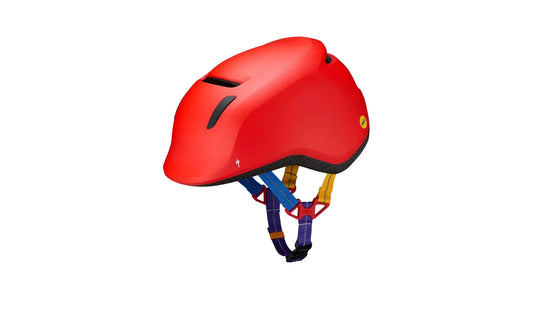
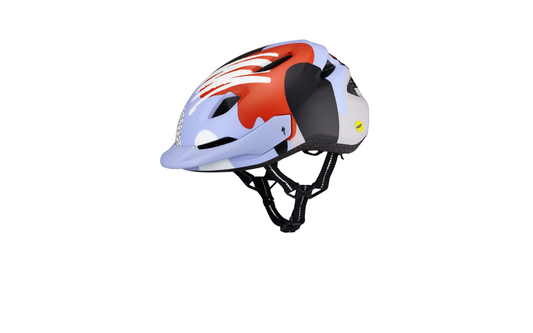
Kiddies Helmet Guide
Share
How to Choose and Fit the Right Helmet for Your Child
Whether they’re riding a bike, scooter or enjoying any activity on wheels, a properly fitted helmet is one of the most important pieces of safety equipment your child can wear.
Finding the right helmet doesn’t have to be complicated. Here are a few simple things to keep in mind when choosing and fitting a helmet for your child.
How do I know what size helmet to buy my child?
- Choose a helmet that meets the required safety standards. Look for the relevant safety certification or approval marking on the helmet. This confirms that the helmet has been tested to the appropriate safety standards.
- Make sure you choose the right size. Age ranges can be a useful starting point, but every child’s head is different. For a more accurate fit, measure around your child’s head with a measuring tape, just above the eyebrows and ears. No measuring tape? A piece of string and a ruler will work too.
- Whenever possible, choose a new helmet. A helmet is designed to protect your child in an impact, so it’s important to know its history. If you’re considering a second-hand or hand-me-down helmet, make sure it hasn’t been involved in a crash and carefully check for any damage.
- Use the right helmet for the activity. Different activities require different types of helmets. Make sure your child is wearing a helmet designed for the activity they’re taking part in.
How do I know if my child’s helmet fits properly?
Choosing the right size is only half the job — the helmet also needs to fit correctly. A helmet that is too loose, too high or incorrectly adjusted may not provide the protection it’s designed to offer.
Here are a few simple checks to make sure your child’s helmet fits properly:
- It should fit snugly. With the straps unbuckled, ask your child to gently shake their head. If the helmet moves or slides around easily, it needs adjusting or may be the wrong size.
- The helmet should sit low on the forehead. The front edge should sit approximately two finger widths above your child’s eyebrows.
- Check the chin strap. When your child opens their mouth, the chin strap should feel snug, with roughly one finger fitting comfortably between the strap and their chin.
- Check the side straps. The front and back straps should meet in a “V” shape just below the ear. The front strap should sit slightly in front of the ear.
Don’t forget about hairstyles! Ponytails, buns and braids can change the way a helmet sits on your child’s head. Keep long or bulky hairstyles low, towards the nape of the neck, and always check the helmet’s fit before each ride.
How do I encourage my child to wear a helmet?
The earlier helmet use becomes part of the routine, the easier it is to make it a natural part of every ride. But it’s never too late to start building good habits.
Here are a few ways to make helmet safety easier:
- Let them choose. You’ll want to make sure the helmet is safe, the right size and fits correctly, but letting your child choose a colour or design they love can make them more excited to wear it.
- Lead by example. If you’re riding together, put your own helmet on too. Children are much more likely to adopt good habits when they see the adults around them doing the same.
- Make it part of the routine. Helmet on before the bike comes out — every time. Whether it’s a quick ride around the garden or a longer family adventure, consistency helps make safety second nature.
- Explain why it matters. Keep the conversation age-appropriate. Younger children can understand that their helmet helps protect their head, while older children can learn more about the risks of head injuries and why protection matters.
- Set clear boundaries. If your child doesn’t want to wear a helmet, stay calm but firm: no helmet means no riding. Clear and consistent boundaries help children understand that helmet safety isn’t optional.
- Keep it positive. Rather than making helmets feel like a chore, make them part of the adventure. A well-fitting helmet should be comfortable, secure and something your child feels good wearing.
What are some other bike safety tips for kids?
A helmet is an important part of staying safe, but there are a few other things to consider before your child heads out for a ride:
- Choose the right bike. A bike that is too big or too small can make it harder for a child to control. Make sure the bike is an appropriate size and that the brakes are working correctly.
- Keep them aware of their surroundings. Encourage your child to look ahead, keep both hands on the handlebars and watch out for potholes, kerbs, pedestrians, other cyclists and vehicles. Phones and other distractions should stay safely out of the way while riding.
- Supervise while they learn. Until you’re confident in your child’s ability and awareness, supervise them while they ride. Choose safe areas where they can build their skills without unnecessary distractions or traffic.
- Give them independence when they’re ready. Every child develops their cycling skills and road awareness at a different pace. Consider their confidence, ability to understand traffic and surroundings, and your own comfort level before allowing them to ride independently.
One last thing: check the helmet regularly
Helmets don’t last forever. Follow the manufacturer’s guidance on when to replace your child’s helmet, and always replace it after a significant impact — even if there is no obvious damage.
As your child grows, remember to check the fit regularly too. A helmet that fitted perfectly a few months ago may now be too small.
The goal is simple: a helmet that fits well, feels comfortable and stays securely in place — so your little rider can focus on what matters most: enjoying the ride.
View our kiddies Helmets below,
Watch how the Mio was developed here
Watch for more on the Shuffle 2 here